
Toasting A New Season (with Rum, of course)
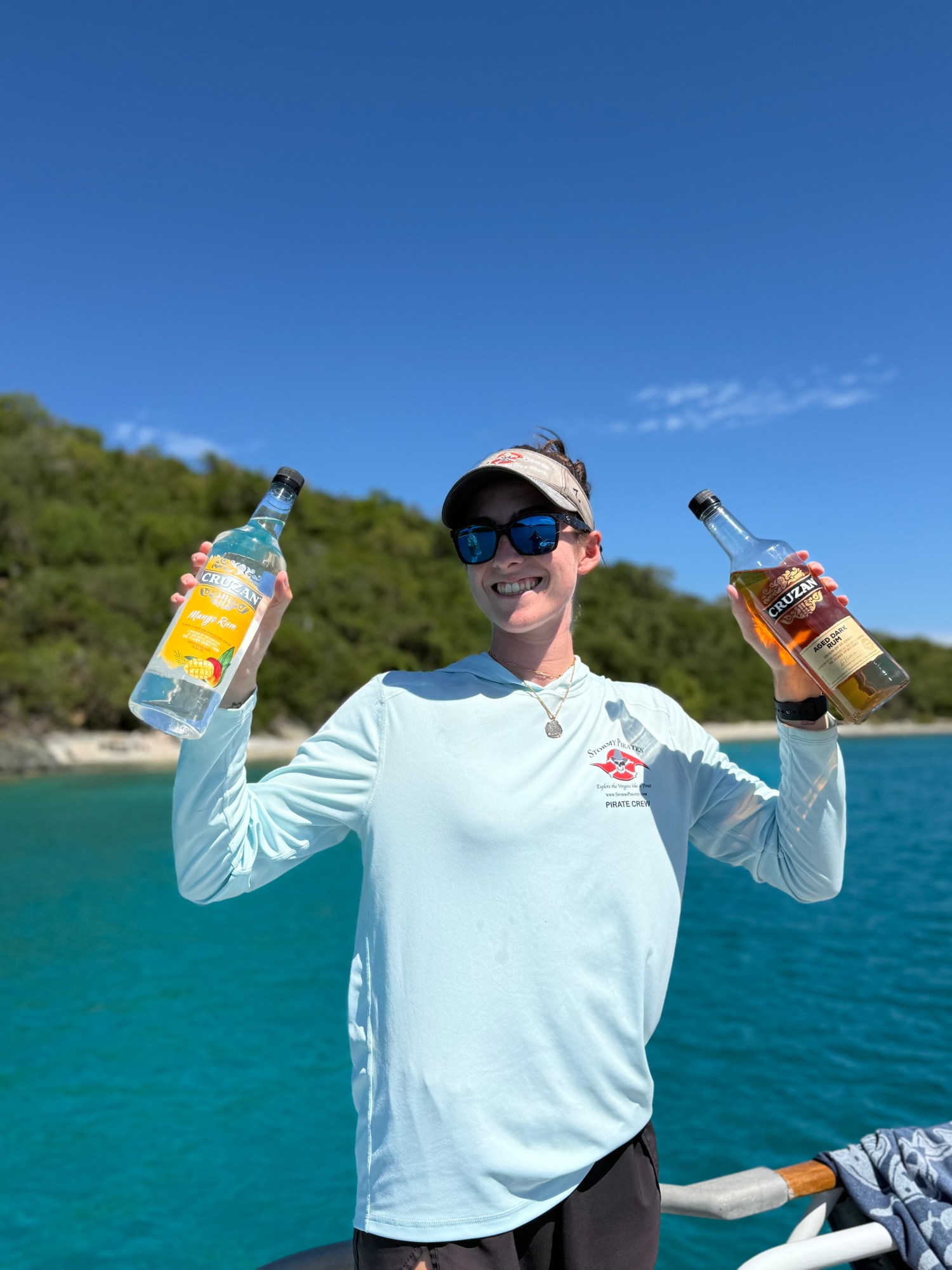
Toasting A New Season
Ahoy Mates! It’s time to raise your glass and toast the start of another season in the Virgin Islands. We’ve thankfully made it through hurricane season unscathed and visitors are once again returning to our shores. Once again, we here at Stormy Pirates Charters have another fun-filled line up of boat days to make your stay in paradise even more memorable and as always, enough rum to satisfy your thirst, which is why a blog about the history of rum sounded like a good idea. After all, it’s the favorite libation of Virgin Islanders.
The Sugar Connection
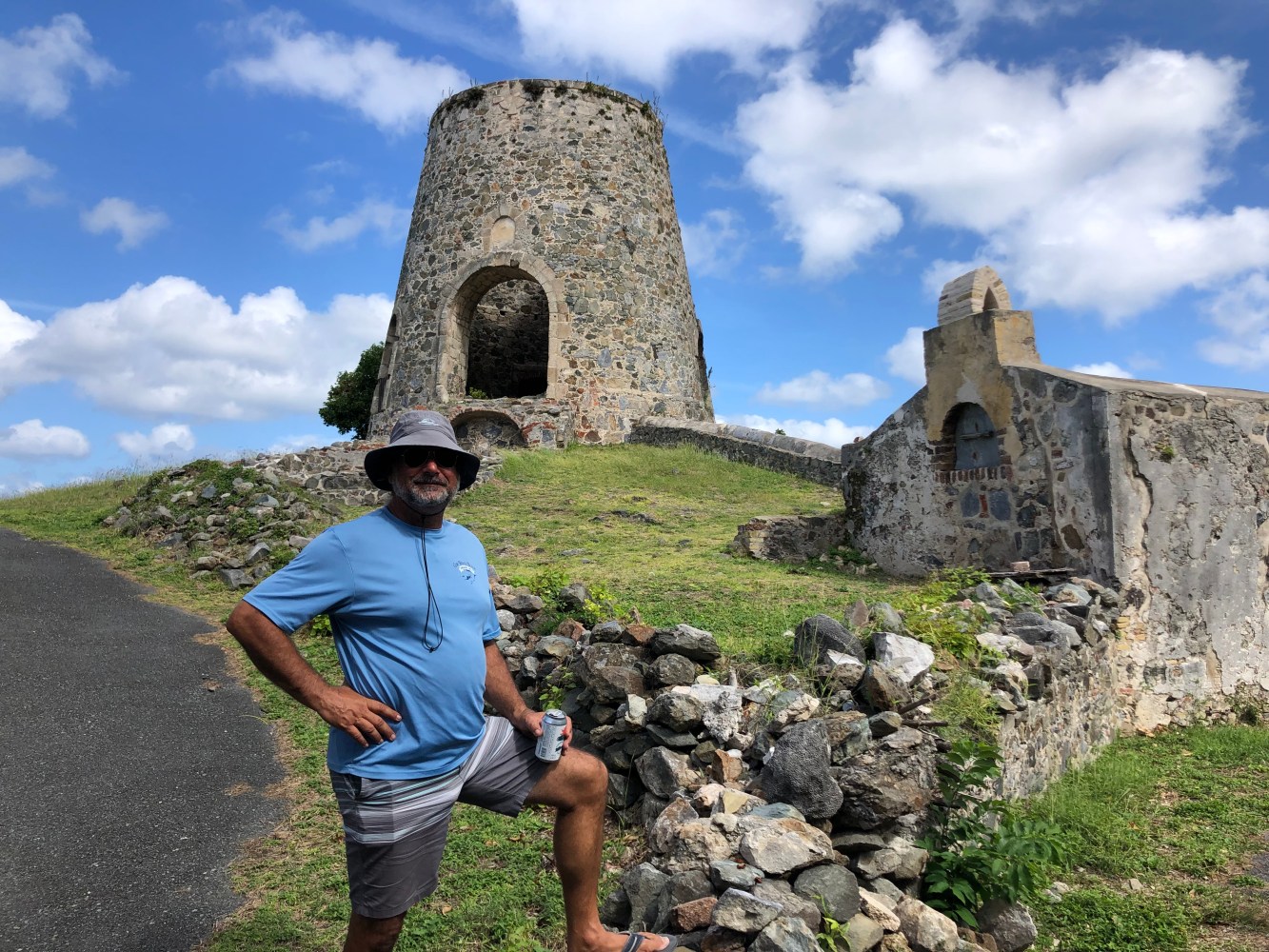
Without sugarcane there is no rum. Thanks to the European settlers of the 17th century, sugarcane, which thrives in a tropical climate, was one of the first plants cultivated in the Virgin Islands. Remnants of those sugarcane plantations still exist today. On the island of St. John alone there are the ruins at Cinnamon Bay, where columns that once supported the factory storage room still stand and at Annaberg, Denis Bay and Susannaberg, where the bases of windmills that once turned the rollers to crush the sugarcane still rise.
While Barbados and Martinique are considered to be the birthplaces of rum making back in the 17th century, the process and methods were quickly adapted by surrounding territories in the Virgin Islands.
Making sugar was a process that began by crushing the sugarcane, boiling the sugarcane juice, and then placing the boiled syrup in clay pots, allowing the molasses to seep out, leaving the sugar behind. For every two pounds of sugar produced, one pound of molasses was created, but initially, the molasses was considered a “waste product” that Europeans handed off to their slaves. Being resourceful, some of those slaves discovered that molasses could be converted into alcohol by mixing it with liquid skimmed off the cane juice during the initial boiling and then fermenting the mixture. And Voila! This became the starting point for the distillation of the spirit known as rum.
Today in some places like Martinique, molasses is not used. Instead, the fresh cane juice is immediately fermented and distilled, resulting in rum with a distinctively grassy, vegetal flavor, but in the Virgin Islands, as well as most of the world, the sugarcane juice is boiled, both to concentrate it and promote the crystallization of sugar. The dark by-product left behind, known as molasses, is then diluted with water and combined with yeast to start fermentation which converts the sugars into alcohol. This liquid is then distilled to concentrate the alcohol and specific flavor compounds that make rum unique among spirits. These days, most rum producers import molasses from other countries, though some distilleries in the British Virgin Islands still grow their own sugarcane. Regardless, the Virgin Islands have certainly perfected the art of rum making with names like Cruzan (St. Croix, USVI), Captain Morgan (St. Croix, USVI), Callwood (British Virgin Islands), and A.H. Riise (USVI) making quite a name for themselves around the world.
Facts And Figures
Did you know that …..
- For each gallon of Virgin Islands rum sold, the federal government gets $2 in taxes and the Virgin Islands territorial government gets $10.50.
- When prohibition ended in 1933, the U.S. government ran several sugar plantations on the island of St. Croix to stimulate the economy, thereby putting the government in the rum business, cultivating a brand known as Government House.
- From the 1700s until 1970, British sailors were provided daily rations of rum while aboard ship, and for a time, Prusser’s Rum, made on Tortola, was the official rum of the British Navy.
- Rum is the best known product of the U.S. Virgin Islands, and taxes on it provide $30 million annually toward the territorial government’s budget, amounting to 17% of the total budget.
- The inception of Cruzan Rum can be traced to a sugar mill founded on St. Croix in 1760, while the first batch labeled “Cruzan Rum” didn’t occur until 1934.
- The Callwood Rum Distillery on Tortola dates back to the 1800s and still operates using its original building and boiler.
- Today, to encourage rum production, the Virgin Islands government subsidizes 93% of the cost of sugar imports – about $40,000,000 a year.
- Grog, a mixture of water mixed with rum to make stagnant water more palatable on long voyages, was invented by British Vice Admiral Edward Vernon, whose 1740 declaration was that sailors daily be issued a half pint of rum to be mixed with one quart of water, once before noon and again at the end of the day. This order became part of the official Royal navy Regulations in 1756 and lasted for more than two centuries.
Choices, choices, and more choices!
Ask someone to run to the liquor store for a bottle of rum and that someone is bound to call and ask, “What kind?” The choices are many, as are the flavors. Here’s a simple guide to explain the variety.
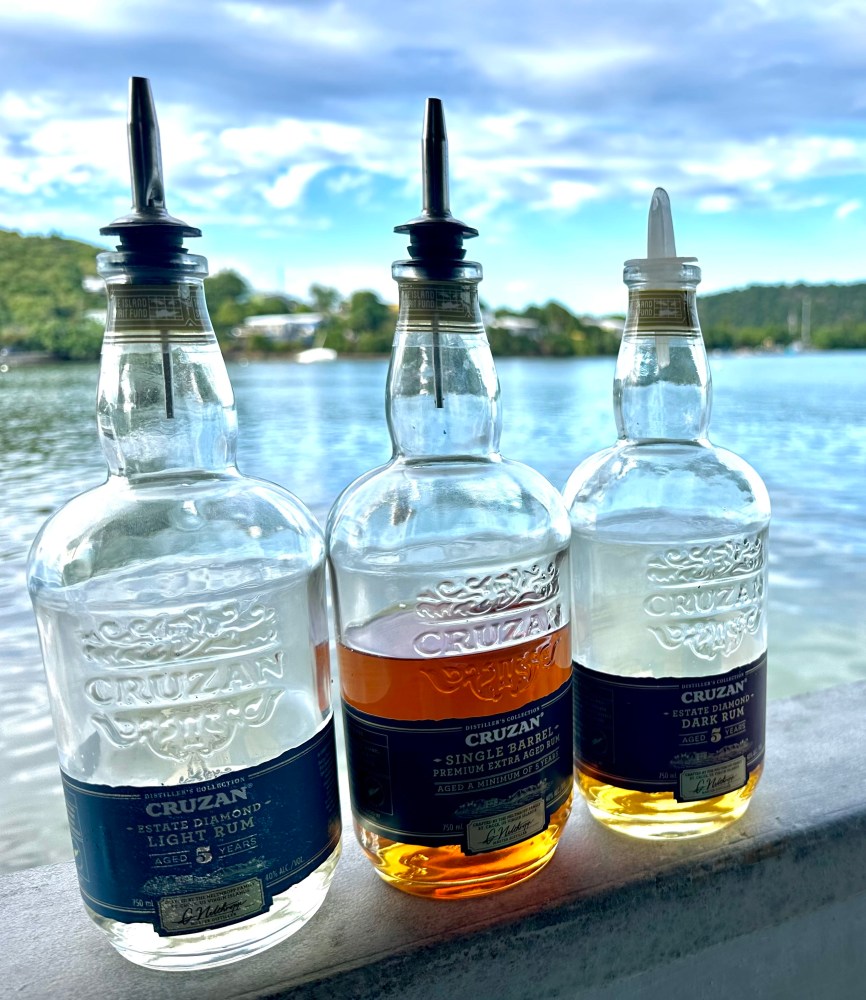
Dark Rum – A medium-bodied rum that is aged for a smoother flavor.
Gold Rum – An amber-colored rum that gains its hue from aging in barrels.
Spiced Rum – Rum blended with a unique combination of spices.
Flavored Rums – Rum with specific flavors like coconut, pineapple, or banana.
Aged Rum – Rum aged in oak casks for a superior flavor profile.
151-Proof Rum – A high-proof rum noted for its strength.
Single Barrel Rum – A unique rum bottled from a single barrel for a distinct flavor.

Take a Closer Look
Looking to tour a distillery or sample some rum varieties while vacationing in the Virgin Islands? Here are a few options to consider.
- Cardow Rum Tours VI – Described as “a multi-sensory rum experience in the Heart of Charlotte Amalie,” this option will introduce you to the history of rum making, the processes involved in production, and four to seven curated tastes for comparison. Short on time? The entire experience lasts less than an hour.
- Cruzan Rum Distillery – Although you’ll have to travel to St. Croix to partake in this tour, it’s a good place to start if you’re a connoisseur of rum. With a recently-renovated Visitor Center and the expertise of Master Distiller Gary Nelthropp, you’re sure to get an immersive experience that will satisfy your curiosity and taste buds.
- Captain Morgan Rum Distillery – Located between the towns of Christiansted and Frederiksted on St. Croix, this distillery invites you to immerse yourself in interactive exhibits housed in the home of Captain Morgan where fun and good flavors are their specialty.
- Rock City Rum Distillery – Here’s another option located on St. Thomas, and they’re noted for serving great cocktails, too. They advertise hand-crafted rums that are locally sourced and distilled on the island. Some of their specialty offerings include: Premium Lemongrass Infused Rum, Premium Berry Punch Rum, and Premium White Rum.
- Callwood Rum Distillery – This historic distillery is located in Cane Garden Bay, Tortola in the British Virgin Islands, which is a stone’s throw away from the East End of St. John. Voted Best Caribbean Rum Distillery in 2020, Callwood has been perfecting their product for 200 years. Here’s your chance to see up close some of the equipment used throughout the company’s history.
- Three Queens Distillery – This is St. Thomas’s oldest craft distillery in existence. Their claim to fame is: “We make it here. We age it here. We bottle it here. And we only sell it here in the Virgin Islands.” Located on the grounds of the Wimmelskafts Museum in an old slave house, the tour features historic narratives and artifacts, an onsite tasting room, a tropical garden with seating, and a small museum. To book a tour, contact Blue Mango Tours.

Libations to Consider
What’s the one most popular drink in the Virgin Islands? The Painkiller! This concoction of pineapple and orange juice, cream of coconut, a splash of nutmeg, and healthy dose of rum is considered the Virgin Islands’ signature cocktail. This iconic drink was invented in the 70s at the Soggy Dollar Bar on Jost Van Dyke and its popularity hasn’t waned in 50 years.
According to Cardow’s Virgin Island Rum Tours, here are four other unique rum cocktails you should sample while visiting the islands or while on one of their tours.
Coconut Breeze – Described as “light, breezy, and dangerously easy to sip” this drink has 3 simple ingredients: coconut rum, club soda or coconut water, and a lime wedge or mint sprig.
Guava Island Fizz – This apparently is a VI Rum Tour favorite that features Extra Virgin Guava Rum. And what could be more island appropriate than the fruity, floral notes of guava? Simply mix guava rum, sparkling water, a splash of lemon juice, then add some crushed ice and fresh basil.
The Barrel House Old Fashioned – This is putting an island twist on an old standard. Combine some Extra Virgin Aged Rum with Demerara Sugar, Orange Peel, and Island Bitters and you’re all set.
The Spiced Sunset – This cocktail is both bold and fruity with hints of cinnamon and spices. Take some Dark Navy Spiced Rum and mix it with Passion Fruit Juice. Add a splash of lime juice and ginger beer. This one is served daily at the Emerald Beach Bar on St. Thomas.
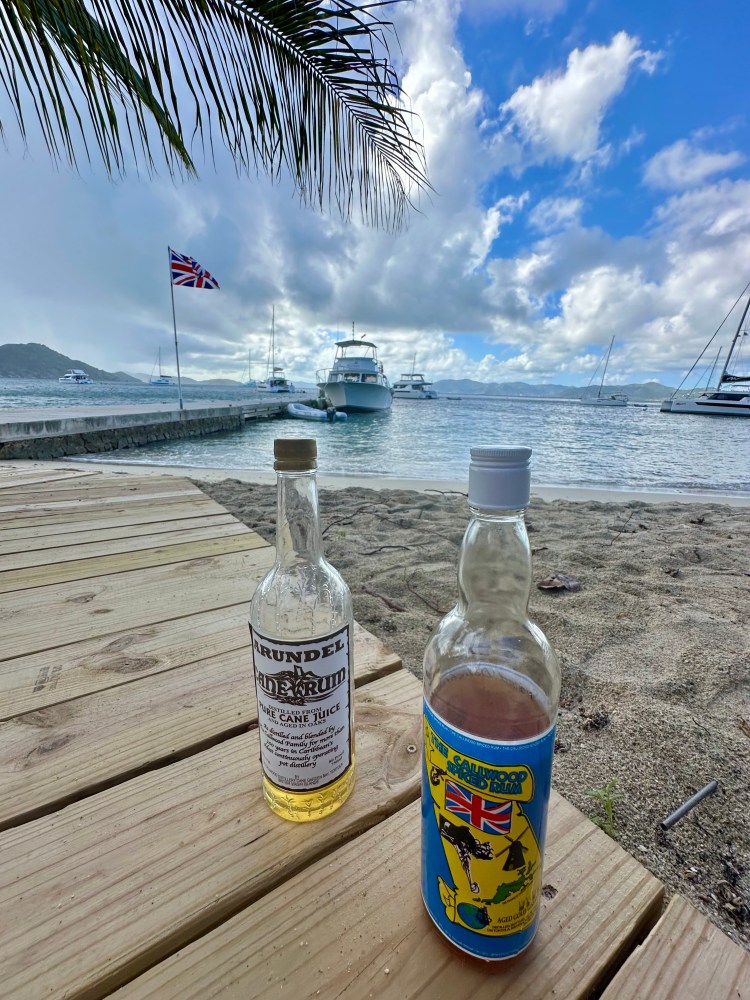
End Notes: Hopefully, we’ve wet your whistle for a taste of some Caribbean rum and fun. Contact us here at Stormy Pirates Charters and we can discuss how to incorporate both aspects into your boat day out on these beautiful Caribbean waters. As always, we’ll put the gang plank down and escort you in style. Remember, it’s time to raise those glasses and toast a new season.