
When is the Best Time to Visit the Virgin Islands? (Month to Month Guide)
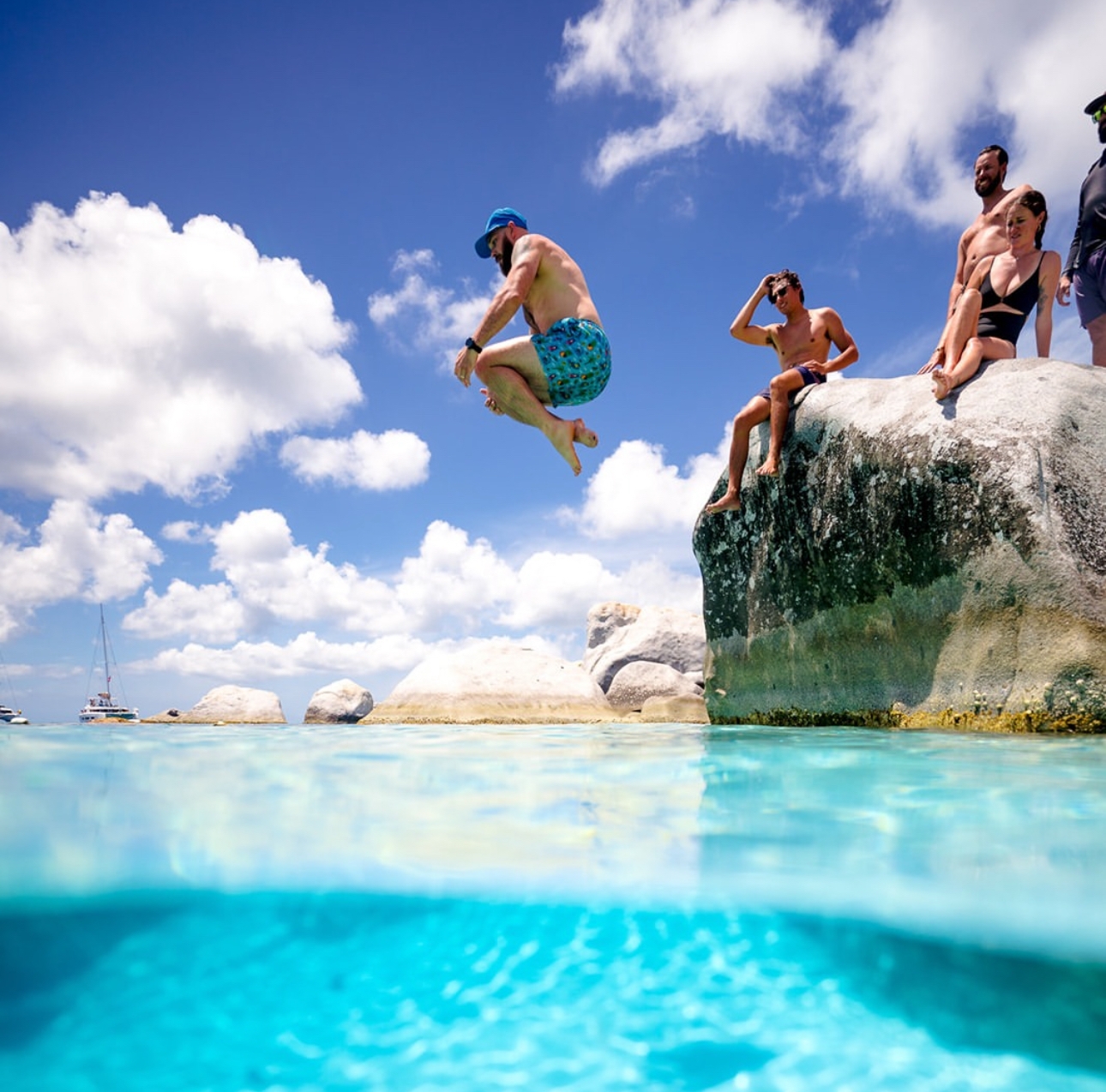
Ahoy Mateys and welcome aboard!!
We often get asked. When is the Best time to visit the Virgin Islands and our answer is always…. The Virgin Islands are a dream destination year-round, so whenever you can plan your getaway IS the best time!!
The Virgin Islands highlights turquoise waters, powdery white-sand beaches, and lush green landscapes that feel like paradise no matter what time of the year you visit. But depending on your travel style—whether you’re after adventure, relaxation, or festivals—some times of year might be better suited for your trip than others. Here’s a breakdown for the best time to visit the Virgin Islands so you can plan your perfect escape.
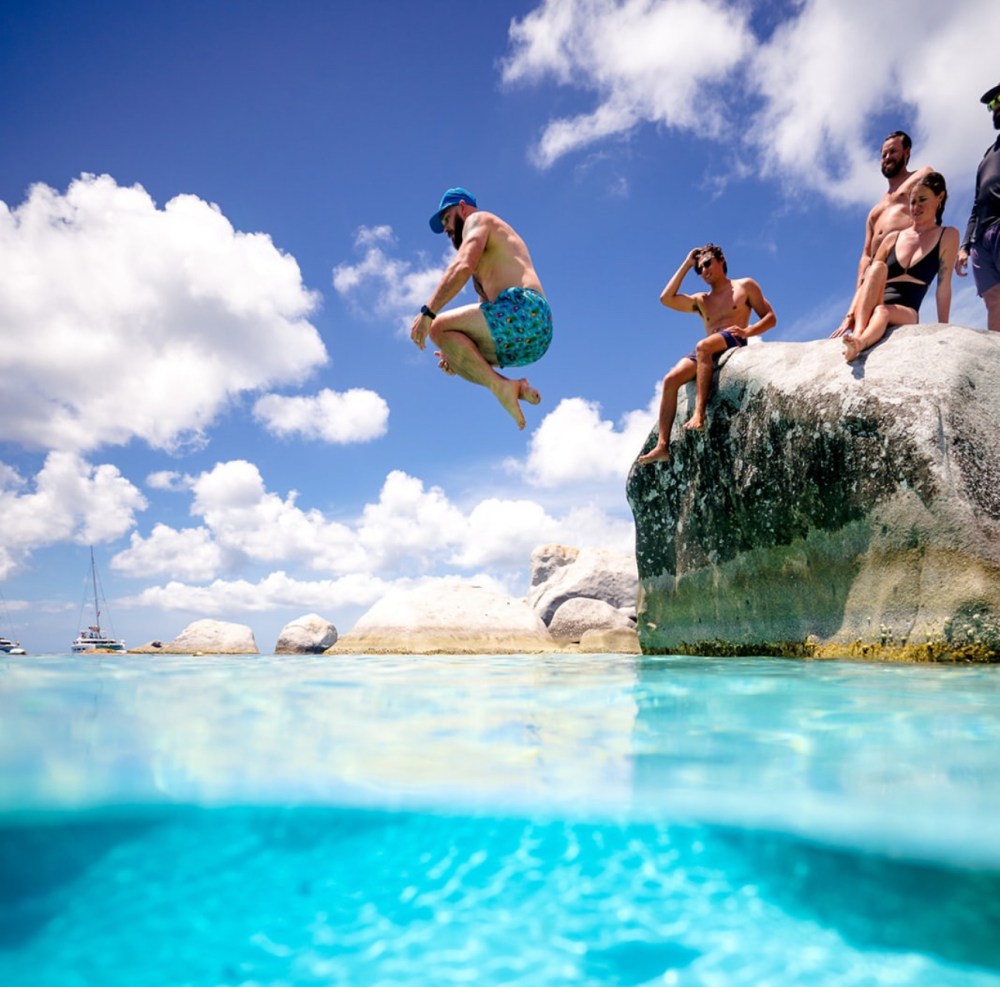
Peak Season: December – April
Best for: Ideal weather, sailing, and winter getaways
If you’re dreaming of warm sunshine and calm seas, winter into early spring is the prime time to visit —it’s the time of year when the islands truly shine. With daytime temperatures averaging 75–85°F, low humidity, and very little rain, this is the season when the weather is at its most reliable. Trade winds keep the air fresh and comfortable, making outdoor adventures—like snorkeling, hiking, and sailing—an absolute joy.
This is also when the islands are at their liveliest. Resorts, beach bars, and restaurants are buzzing with energy, yacht charters are in full swing, and the islands host some of their most colorful events. For travelers escaping the snow and cold back home, the Virgin Islands feel like the ultimate paradise getaway.
Highlights:
-
Best sailing conditions: Smooth seas and steady breezes make it the prime time for day sails, sunset cruises, and multi-day charters.
-
Crystal-clear waters: Visibility is at its best, perfect for snorkeling with sea turtles or diving on colorful reefs.
-
Festivals & culture: Carnival celebrations in April/May bring lively parades, music, and food, giving visitors a taste of Caribbean tradition.
-
Perfect hiking weather: Explore trails in Virgin Islands National Park on St. John without the sweltering heat of summer.
Things to Keep in Mind
-
Higher prices: Flights, accommodations, and boat rentals are at their most expensive. If you’re traveling in this window, book well in advance—especially over Christmas, New Year’s, and spring break.
-
Bigger crowds: Popular beaches like Magens Bay and Trunk Bay will be busier, so plan to visit early in the day for a more relaxed experience.
-
Charter demand: Private charters and tours fill up quickly, so securing your spot months ahead is essential if you want the best boats and itineraries.
Peak season is the best choice if you’re looking for postcard-perfect weather and a lively island atmosphere. It’s when the Virgin Islands deliver their most iconic Caribbean experience—just be prepared to share it with fellow sun-seekers.
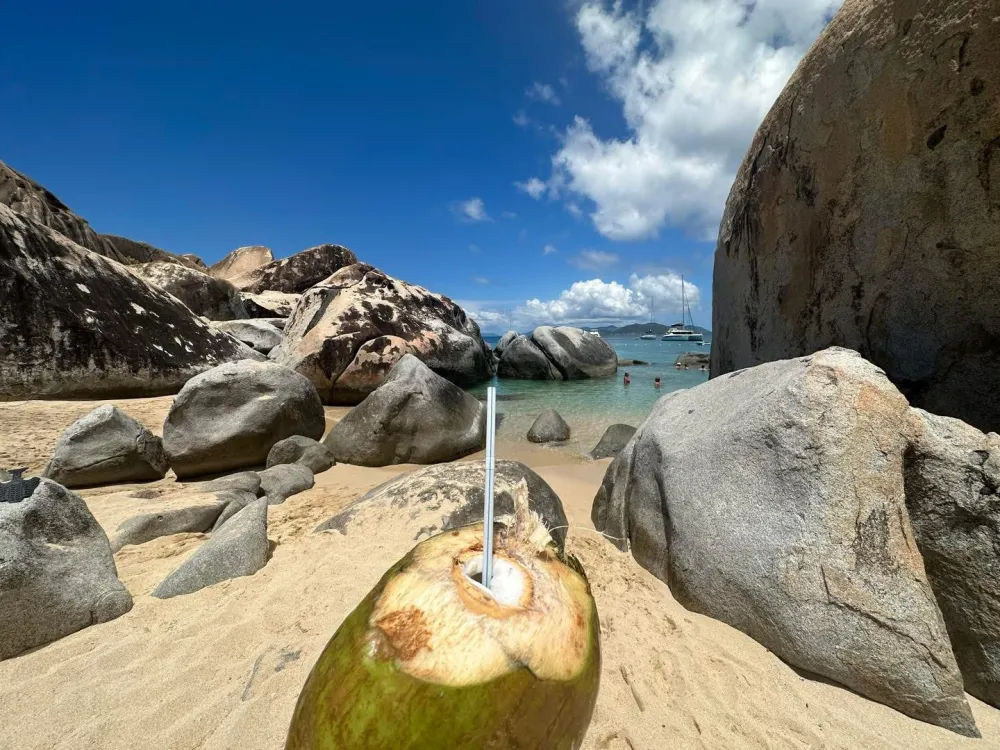
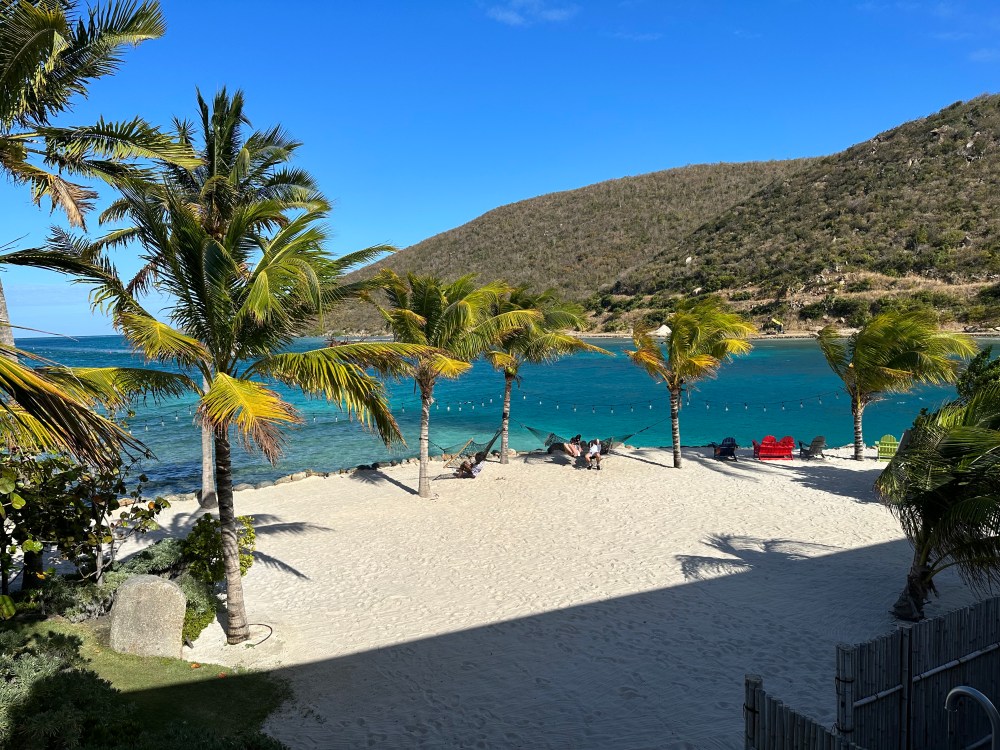
Shoulder Season: May & November
Best for: Fewer crowds and great deals
If you’re looking for the sweet spot between perfect weather and affordability, May and November are an excellent time to visit the Virgin Islands. Temperatures rise slightly into the mid-to-upper 80s°F, and while short afternoon showers become more common, they rarely last very long and often bring a refreshing break from the sun. The trade winds are still steady, which keeps conditions pleasant for sailing and watersports.
What makes this season special is the balance: you still enjoy near-perfect Caribbean weather, but without the heavy crowds of winter and early spring. Beaches feel less crowded, tours and charters are easier to book, and resorts often offer lower rates. It’s also one of the best times for couples or honeymooners who want a more romantic, laid-back atmosphere without sacrificing sunshine.
Highlights:
-
Fewer crowds: Popular beaches and attractions aren’t nearly as busy, so you can enjoy more space and serenity.
-
Better value: Hotels, villas, and charters often drop their prices compared to peak season, making it easier to enjoy luxury at a lower cost.
-
Great diving and snorkeling: The water is warm, and visibility remains excellent—perfect for spotting coral reefs, sea turtles, and tropical fish.
-
Romantic escapes: With fewer tourists, May and June feel more intimate, making it a top choice for weddings, honeymoons, or anniversaries.
Things to Keep in Mind:
-
Short rain showers: You’ll likely experience brief rainfall, usually in the late afternoon, but they don’t disrupt the day.
-
Rising humidity: You’ll start to feel the Caribbean heat and humidity increase as summer approaches. Waters are warmer too, so you can snorkel longer.
-
Book flexible flights: Airline schedules may shift slightly after peak season, so double-check routes and connections.
Shoulder season is the perfect choice if you want to strike a balance between good weather and affordability. You’ll still enjoy that dreamy Caribbean atmosphere but with fewer tourists competing for the best beach chairs, sunset sails, and dinner reservations.

Summer Season: June – mid-August
Best for: Festivals, family vacations, and warm island vibes
Summer in the Virgin Islands is hot, lively, and full of culture. Temperatures reach the upper 80s°F with high humidity, but the consistent trade winds keep things from feeling overwhelming. The waters are at their warmest, making snorkeling, swimming, and paddleboarding especially inviting.
This is also when the islands celebrate some of their biggest cultural events, like the St. John Festival, which runs from late June through the 4th of July. Think colorful parades, live music, carnival rides, fireworks, and delicious local food—an unforgettable experience for visitors who want to immerse themselves in island traditions.
Summer is also a popular time for families since school is out, and flights are easier to align with vacation schedules. While there are still plenty of tourists, it doesn’t feel as crowded as the peak winter months, giving you more room to enjoy beaches and book boat charters.
Highlights:
-
Warmest ocean waters: Perfect for long snorkeling sessions, scuba diving, or simply floating in turquoise bays.
-
Festivals and culture: The St. John Festival and other local celebrations bring the islands to life with music, dancing, and authentic Caribbean flavors.
-
Family-friendly: More flexible vacation options, plus plenty of family-oriented activities like sailing, hiking, and exploring historic sites.
-
Easier bookings: Hotels and charters are more available compared to peak season, though it’s still smart to book in advance for July.
Things to Keep in Mind:
-
Heat and humidity: Stay hydrated and plan outdoor adventures for the mornings or late afternoons when the sun is less intense.
-
Start of hurricane season: Officially beginning in June, hurricane season ramps up in late summer. Storms are not guaranteed, but purchasing travel insurance is strongly recommended.
-
Higher airfare around holidays: Flights around July 4th can spike in price due to the festival and U.S. holiday demand.
Summer in the Virgin Islands is perfect if you’re drawn to culture, music, and local celebrations. It’s also an excellent time for families and travelers who don’t mind the warmer, more tropical feel of the islands. If you want to experience the Virgin Islands at their most vibrant and authentic, July and August are hard to beat.
Low Season: end of August – October
Best for: Budget-friendly escapes, quiet beaches, and laid-back travel
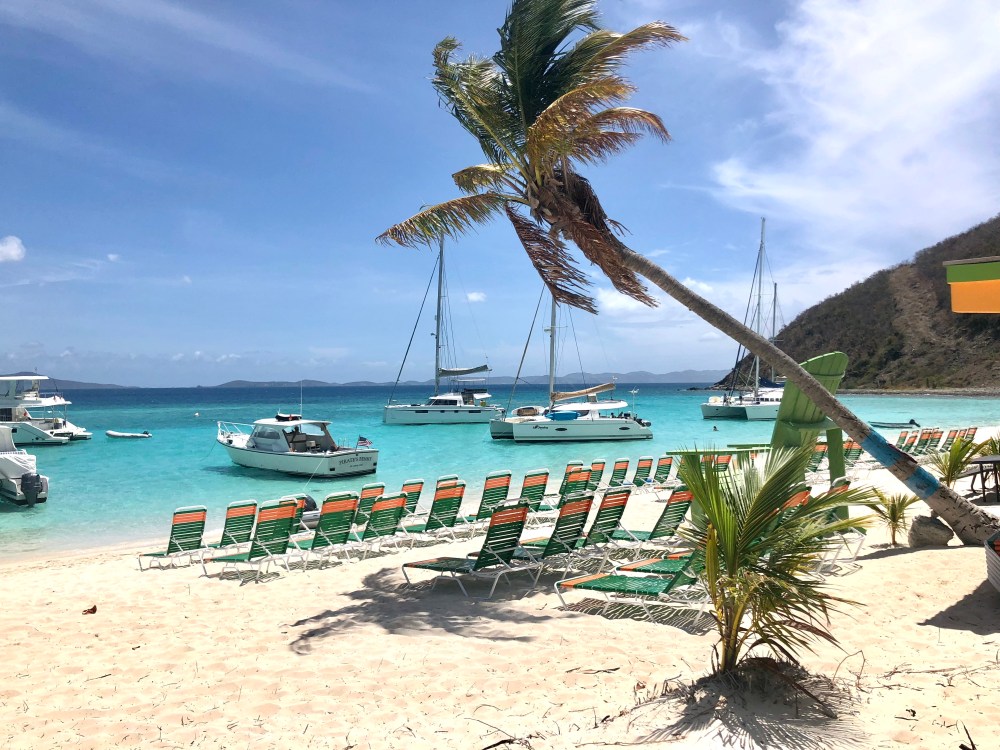
Fall marks the Virgin Islands’ quietest time of year. From end of August through October, the islands see the fewest visitors, which means you’ll find some of the best deals on hotels, villas, and boat charters. For travelers who value peace and privacy, this season can feel like having a slice of paradise all to yourself.
The weather, however, is less predictable. Temperatures stay warm in the mid-to-upper 80s°F, but rainfall is at its highest, and the region is in the heart of hurricane season. Many restaurants, resorts, and tour operators use this time to close for renovations or give staff a break before the busy winter season. That said, plenty of local businesses remain open, and the quieter pace gives you the chance to connect with island life in a more authentic way.
Highlights:
-
Incredible savings: Resorts and vacation rentals often slash their rates by 30–50%, making luxury stays much more accessible.
-
Tranquil beaches: Enjoy popular spots like Trunk Bay or Honeymoon Beach with very few crowds.
-
Flexible boat charters: Private charters are easier to book, and you’ll have more freedom to customize your experience.
-
Authentic island vibe: With fewer tourists around, you’ll get a more local feel at beach bars, markets, and cultural events.
Things to Keep in Mind:
-
Hurricane season: While storms don’t happen every year, they are possible. Always check forecasts and strongly consider travel insurance for added peace of mind.
-
Rainier weather: Afternoon showers are frequent, and some days may be cloudier than in other seasons.
-
Limited availability: Some restaurants, shops, and tours may close temporarily, so it’s wise to double-check what’s open before you go.
The low season is best for travelers who prioritize value and serenity over nightlife and nonstop activity. If you’re flexible, love quiet beaches, and don’t mind planning around the weather, visiting in the fall can be an incredibly rewarding—and affordable—way to experience the Virgin Islands.
So, WHEN is the Best Time to Visit?
If perfect weather and lively island vibes are your priority, anytime is perfect! For a balance between affordability and good conditions, May and November are ideal. Adventurous travelers seeking authentic cultural experiences might love the summer festivals, while those who crave tranquility and budget savings will appreciate the quiet fall months.
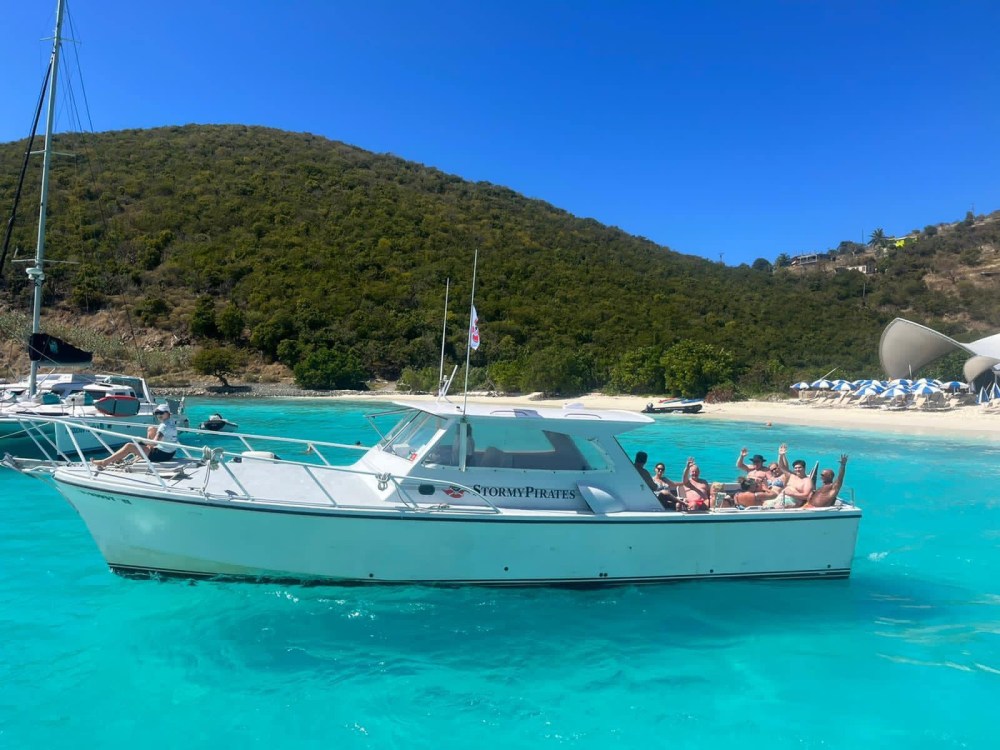
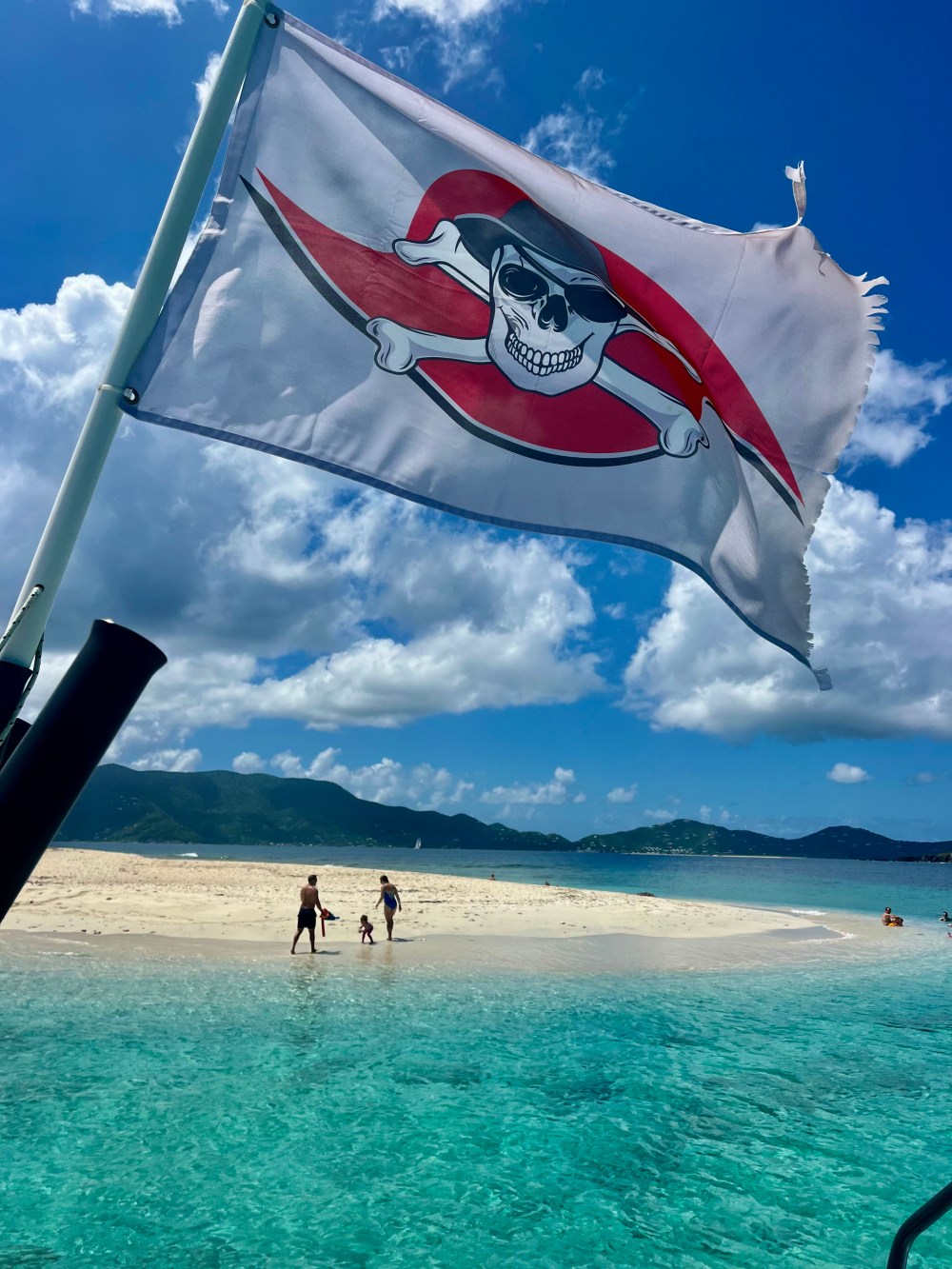
No matter when you go, the Virgin Islands promise turquoise waters, rich culture, and unforgettable memories. The best time is ultimately the one that matches your style of travel and whenever you can get away. At Stormy Pirates, we operate 365 days a year and look forward to welcoming you whenever you visit!! No trip to the Virgin Islands is complete without at least one boat day. Whether you’re dreaming of sailing past secluded coves, snorkeling with sea turtles, or island-hopping between St. John and the BVIs, booking the right excursion can make all the difference, and we will always give you the perfect experience!!